

Ingwe Pan Camp Wildlife Stories August 2026
Weather Report
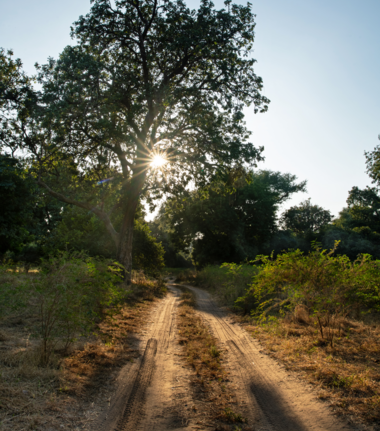
August was warm and dry at Ingwe Pan Camp, marking the transition from the dry winter season into early Spring. Daytime temperatures averaged 27ºC and 31ºC, while nights remained cool, dropping to around 10ºC. The floodplains remained dry, with water levels decreasing bit by bit each day. Thanks to this, safari expeditions around Mana Pools National have incredible visibility and greater concentrations of animals around the few remaining water sources.
Dinner Time
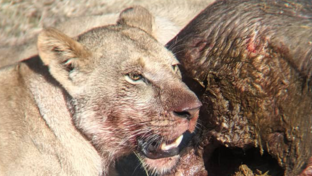
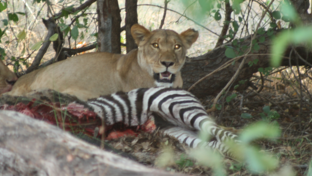
During one of our game drives, we came across a pride of 11 lions feeding on a waterbuck. Alongside their parents, a group of adorable cubs fed alongside the adults. Next to the carcass, the waterbuck’s horns lay almost like a trophy for their successful hunt.
Lion cubs start feeding on meat as early as two to three months old while gradually weaning off their mother’s milk until they fully transition to a carnivorous diet at around one year old. Their first bite of meat sparks their innate predatory instincts, triggering early possessiveness and playful dominance over pieces of meat.
Truce
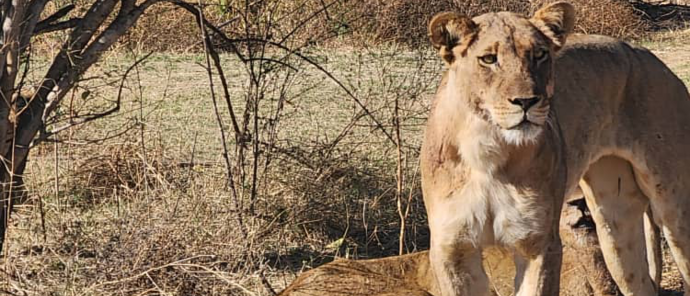
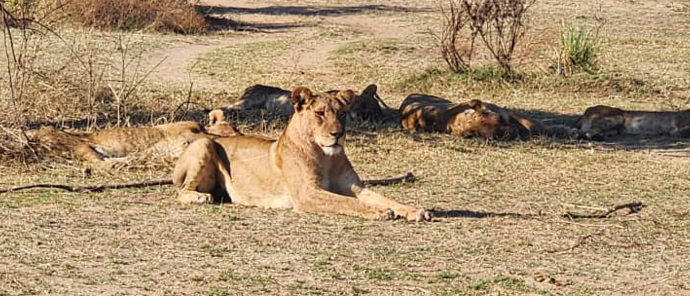
Lions are mainly nocturnal hunters. Not only because the night helps them stay hidden from perceptive prey, but also because they can hunt without the hot African sun beating down on them. That’s why, on particularly hot days, both predator and prey come to an unspoken agreement. If they don’t chase, the other won’t run.
We witnessed this firsthand during an afternoon game drive. A pride of lions was resting in the shade not more than 50 metres away from where a herd of impala was grazing. The atmosphere was tense, but the lions did not attempt a hunt as the impala kept their eyes fixed on the predators.
Top Showing
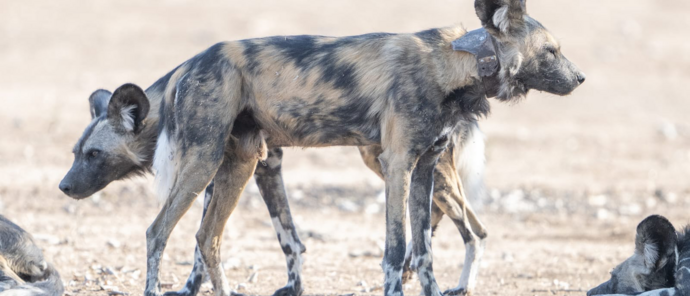
For first-time visitors to southern Africa, African wild dogs are some of the most spectacular animals to spot. On one of our most recent 4X4 game drives, a pack of wild dogs put on an amazing display of teamwork, coordination, and communication right in front of us. Their high-pitched yelps and energetic tail-wagging electrified the atmosphere, giving our guests an unforgettable experience.
Surprise Sighting
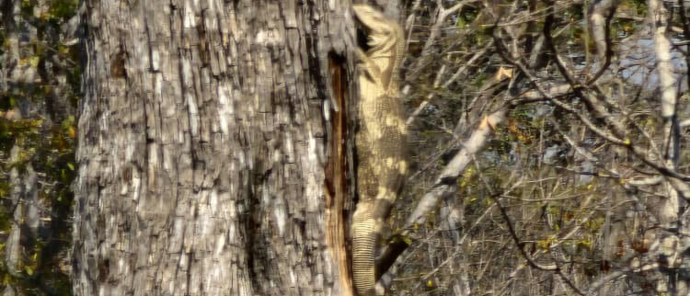
Sometimes sightings of big cats are just as exciting as the cats themselves. While we were making our way along the riverbank, we saw a water monitor lizard flicking its tongue as it walked along the water's edge.
Water monitor lizards are Africa’s second-largest reptile, reaching up to two-and-a-half metres long. These creatures thrive in semi-aquatic biomes like rivers, swamps, mangroves, and lakes, but are not water-dependent. In fact, they can travel large distances away from water sources in search of food.
Leaping Leopard
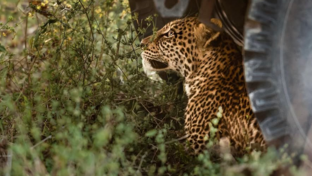
During our midday lunch, we spotted a leopard lying up in a tree, seemingly scanning the area below for prey or bigger predators. After about 15 minutes, it suddenly stood up, stretched, and leapt down. The beautiful leopard strode into a thick bush and disappeared.
August was an amazing month for predator sightings. Come back soon for another Ingwe Pan Camp Wildlife Story!
Until next time,
AB & Everard
Ingwe Pan Camp