

Botswana Fly-in Safari: Everything You Need to Know
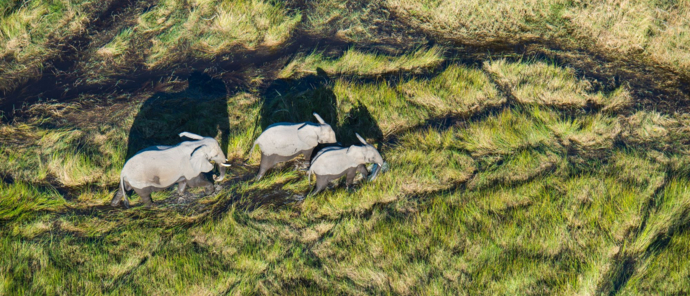
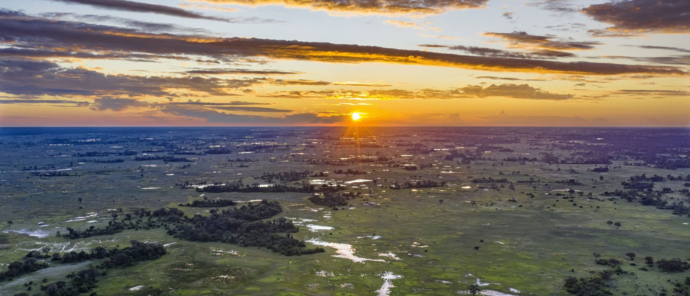
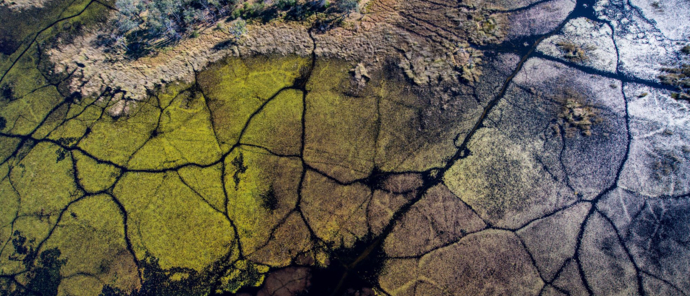
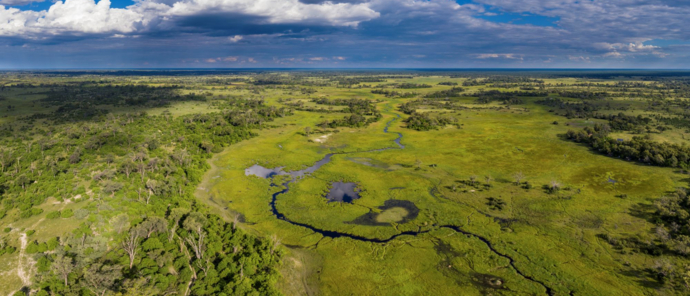
Imagine soaring over the Okavango Delta, one of Africa’s Seven Natural Wonders and a UNESCO World Heritage Site. As the largest inland delta on Earth, this vast expanse stretches out as far as you can see, a mosaic of winding channels, lagoons, and islands.
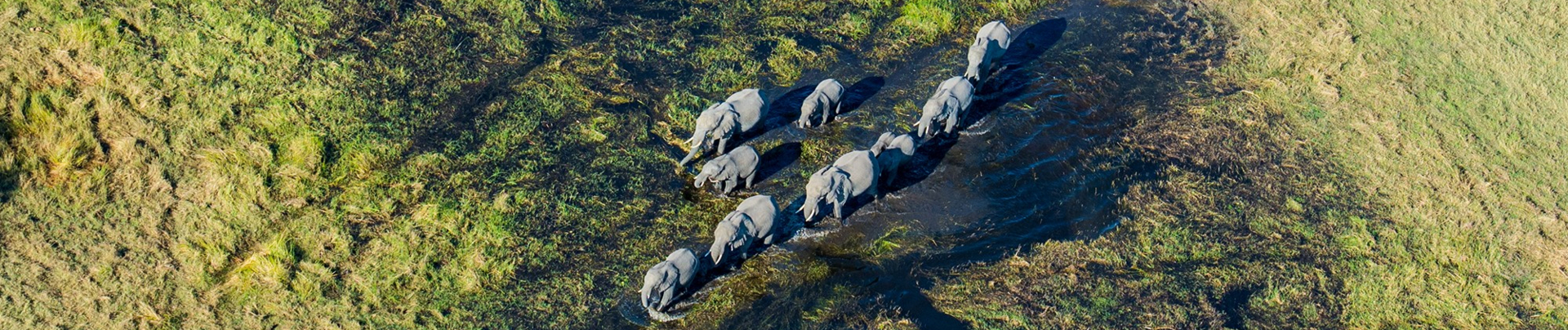
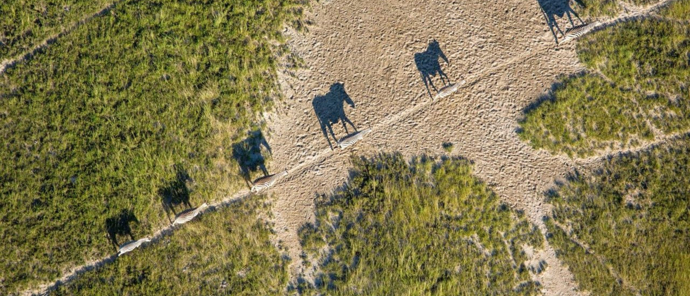
As the small charter plane hums through the sky, you spot a herd of elephants moving across the floodplains like a giant caravan of shadows. The sound of distant bird calls drifts up from the bush, and you breathe in the earthy scent of rain-soaked land rising from the delta’s channels. The pilot is friendly and points out key landmarks, wildlife, and vegetation, offering a taste of the untamed landscape before you even land. With only a handful of passengers on board, your experience already feels personal and unhurried.
On this extraordinary journey, Botswana unfolds in sweeping vistas that feel almost familiar. You sense you are part of something special, and in many ways, this becomes the first chapter of your safari.
What is a Botswana Fly-in Safari?
If you are a frequent traveller, you’ll know how tiring long-haul journeys can be. A Botswana fly-in safari removes much of that strain and turns your route into part of the safari experience. Instead of long road transfers after landing in Botswana, you move quickly and comfortably from airstrips into the heart of the wilderness.
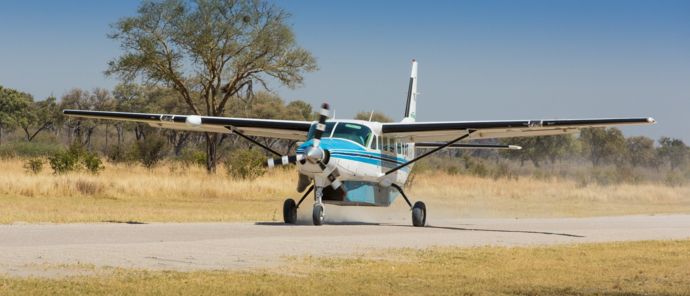
Small planes travel directly from Maun to remote camps, like Machaba Safaris, in the Khwai Concession. They also operate from hubs such as Kasane or link airstrips within private concessions, depending on the itinerary.
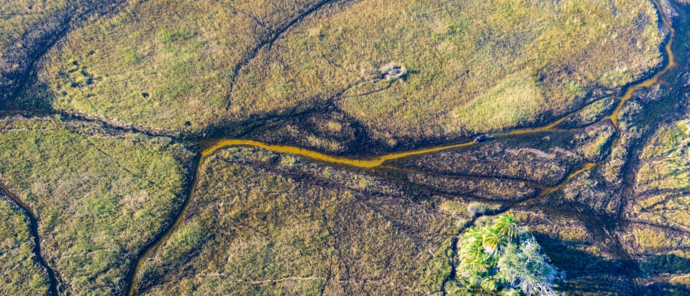
This way, you have a birds-eye view of the magnificent landscape. From the moment you take off, aerial views reveal winding river systems, seasonal floodplains, and the thousands of creatures that call the area in and around them home.
The Botswana Fly-in Experience with Machaba Safaris
Machaba Safaris takes care of every detail of your Botswana fly-in experience.
While the same journey by road can take up to five hours and may be affected by changing conditions that can create inaccessible roads, waterlogged tracks or sandy terrain, the fly-in option offers a quicker and more comfortable way to arrive at your destination. Within 30 minutes, the landscape reveals itself beneath you as you fly over the Okavango Delta and the fringes of Chobe National Park.
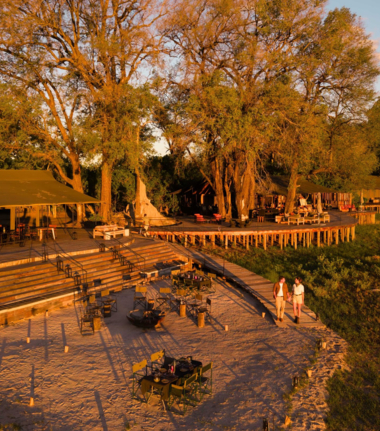
By freeing up travel time, you’ll skip queues and swap the airport lounge for a shaded deck at a riverfront camp, where linen-draped tents, sundowners and candlelit dinners await.
Activities and Experiences on a Botswana Fly-in Safari with Machaba
Like many of the camps in Botswana, Machaba works closely with guides from local communities. Their knowledge and understanding of the animals, the bush and the people who live alongside it has been passed down through generations. It’s something they are passionate about and love sharing.
By flying in, you’ll have much more time for adventure! From exciting game drives and tranquil walking safaris to thrilling mokoro canoe expeditions, birdwatching, and photography opportunities, Machaba offers exclusive access to wildlife-rich areas.
Every moment is designed to be unforgettable, and every sunrise, sunset and magical African starlit evening has a story waiting to be told.
Game Drives
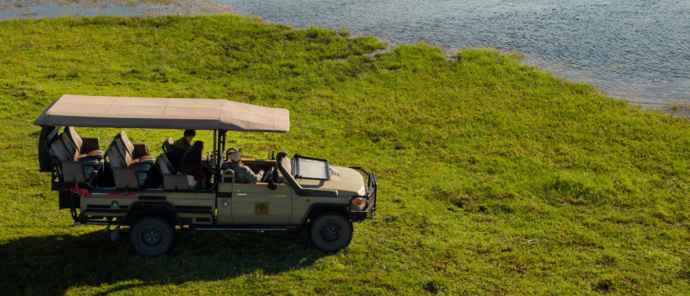
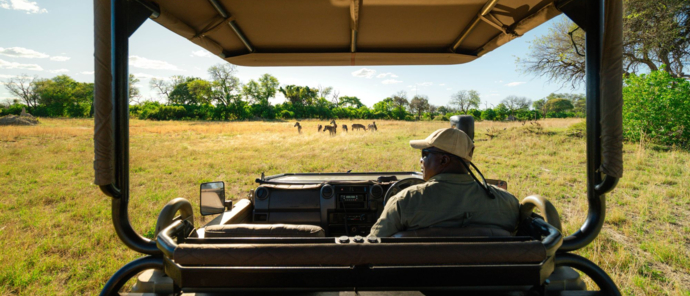
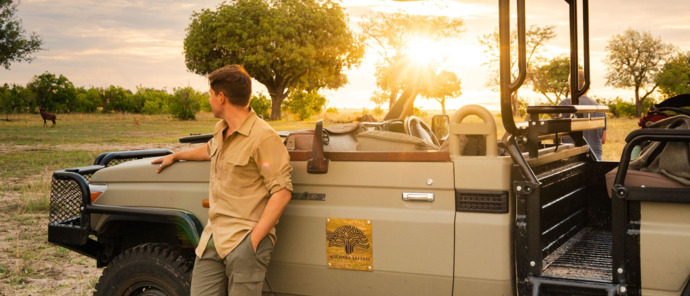
Game drives are the heart of Machaba safaris. Guides share expert insights about animal behaviour, tracking, and conservation, ensuring every drive is both educational and exciting.
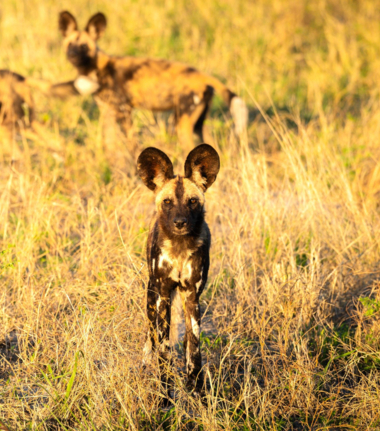
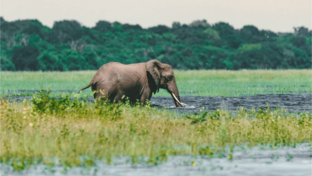
With the highest concentration of elephants in Africa, large prides of lions, and the only species of fish-eating owls in the world, the Okavango Delta comes alive with guides who know exactly where to spot the wildlife.
On early morning drives, animals are most active in the cool light of dawn, and you’ll often see elephants and buffalo moving in slow, steady herds. In the afternoon, predators, including solitary leopards, are active in the bush, and your guide will be watching their movements. Night drives add another layer of discovery at Machaba. This is your chance to catch a glimpse of nocturnal residents as they go about their nightly activities. Agile bush babies call each other from treetops, and watchful owls perch silently on branches as they wait for the perfect chance to swoop down for a bite to eat.
Walking Safaris
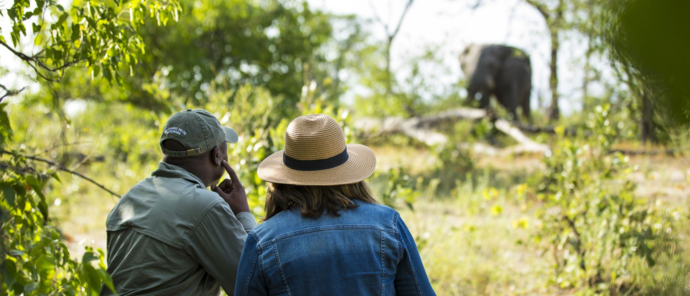
Walking safaris provide a closer look at the delta’s ecosystems. Small-group walks are led by guides who highlight tracks and plant life. Unlike game drives, walking safaris immerse you in the environment, allowing you to savour the sounds, smells, and textures of the bush.
These walks are safe, educational, and thrilling, giving you a grounded sense of connection to nature that a vehicle can’t replicate.
Mokoro Safaris with Machaba
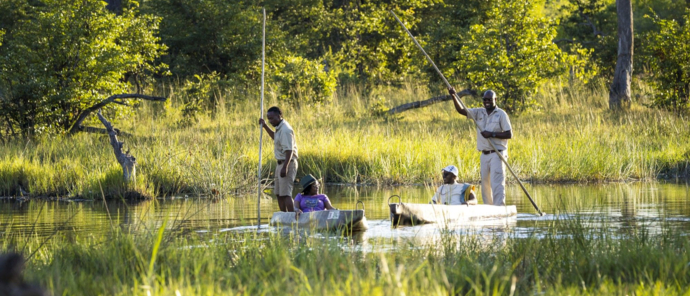
Safaris take to the waters as the Okavango floods and water levels rise during the annual floods, which usually start around June and peak between July and September, depending on rainfall upstream in the Angolan highlands. If you’re lucky enough to time your trip to Machaba for this event, you’ll discover creatures you wouldn’t typically see from a vehicle or on foot.
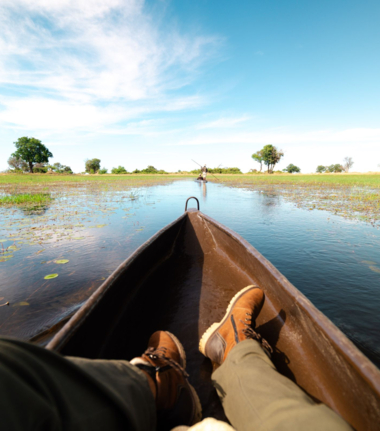
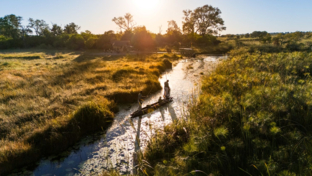
Inspired by locals who traditionally used wooden mokoros to navigate the delta, a modern version of this dugout canoe offers a unique way to traverse the reed-lined waterways. Relax as a skilled “Poler” guides your mokoro where it needs to go while you enjoy the sights, sounds, and reflections of this watery landscape.
Birding and Wildlife Photography
The Okavango Delta and its wilderness are a photographer’s paradise.
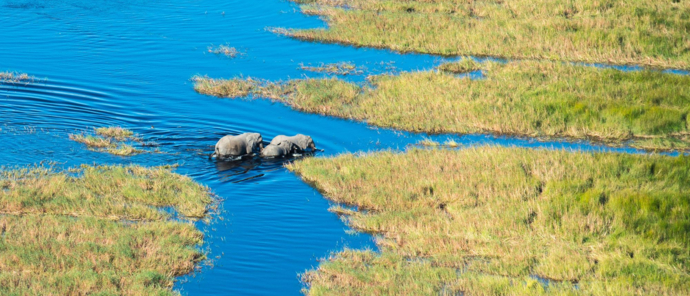
From the air, you will see sweeping panoramas of floodplains, channels, and islands, perfect for wide-angle shots that show the scale and beauty of this varied ecosystem.
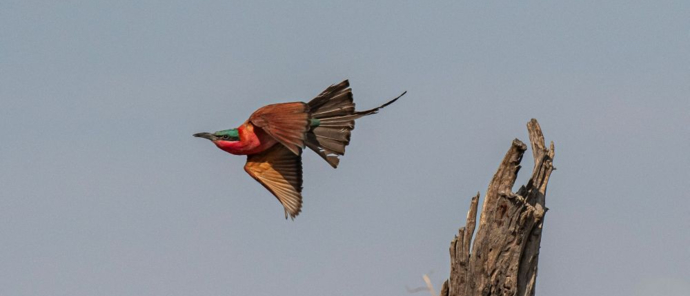
On the ground, every game drive and mokoro excursion brings you closer to the animals and birds that make the delta one of Africa’s most remarkable wilderness areas. Expert guides know where to find the most elusive creatures and share advice on the best angles for dramatic shots.
Whether you’re aiming for stunning landscapes, intimate animal portraits, or images of vibrant birdlife, Machaba offers the perfect setting for every shot. Its combination of aerial and on-ground experiences turns each moment into a potential masterpiece.
Lodge Amenities and Activities at Machaba Camps
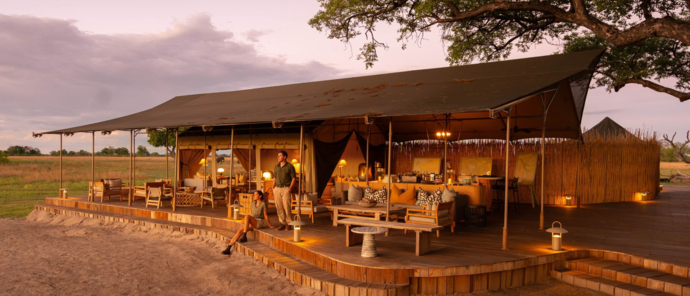
Machaba’s camps are designed so the wilderness feels like part of your living space. Spacious tents feature private decks, elegant interiors, and uninterrupted views of the delta. Private lounges and fire pits become the perfect spots to unwind after an exhilarating day in the bush.
Fine dining at Machaba celebrates the flavours of Botswana and the delta. Menus showcase fresh, locally sourced ingredients, from succulent game and river fish to seasonal vegetables and tropical fruits. Whether you’re enjoying breakfast as the sun rises over the floodplains, a riverside lunch, or an intimate dinner under a canopy of stars, each meal is thoughtfully prepared and beautifully presented.
Spa treatments and massages are available, offering a deeper sense of relaxation and connection to the bush, as you unwind to the sounds of the delta all around you.
Botswana Fly-in Safari: When to Go and What to Expect
Botswana’s landscapes shift throughout the year, with seasonal changes in rainfall and water levels influencing wildlife movement, vegetation, and the overall safari experience across regions such as the Okavango Delta and Chobe National Park.
Depending on the wildlife encounters you want to prioritise, understanding these patterns can help you choose the best time for a fly-in safari in Botswana.
Botswana Dry Season (May to October)
Botswana’s dry season (May to October) is widely regarded as the best time for safari travel, offering exceptional wildlife viewing across the country.
As water sources dry up, animals concentrate around permanent rivers, lagoons, and artificial waterholes, making sightings more frequent and predictable.
Vegetation becomes thinner as the season progresses, and visibility improves across open plains and woodland areas. Cooler mornings and evenings are typical, especially between June and August, while daytime conditions remain warm and sunny.
Early mornings just after sunrise and late afternoons into sunset are the most rewarding times for sightings. This is when you’ll find animals moving with purpose between feeding areas and water sources.
During the dry season, game can also be seen throughout the day around rivers and waterholes, particularly in areas such as Chobe, where elephant and buffalo herds, along with hippos, often remain close to the water.
As the landscape transforms, both water and land safaris become possible, making visits action-packed and rewarding.
Botswana Wet Season (November to March)
Botswana’s wet season (November to March) brings a dramatic transformation across the country. The parched landscape quickly turns lush and green following the first thirst-quenching summer rains. Afternoon thunderstorms are common but typically short-lived, often clearing quickly to reveal bright skies and perfect conditions for photography.
This green season also marks an increase in birdlife across Botswana’s diverse regions, including the Okavango Delta, Chobe National Park, and the Makgadikgadi Pans, making it an excellent time for birders.
Travel-wise, if you’re flying in over the delta, you may occasionally experience slightly bumpier light aircraft flights due to warm thermals rising from the wetlands. These conditions are completely normal, short-lived, and part of the adventure.
Packing Tips for a Botswana Fly-in Safari
Packing for a safari takes careful planning, especially when travelling on small aircraft with strict luggage limits.
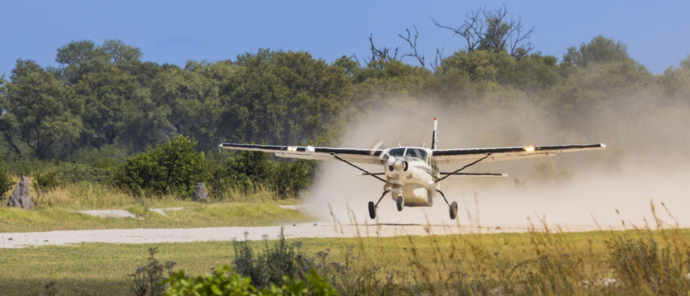
Understanding Luggage Restrictions on Fly-in Safaris
Small charter planes have weight and space limitations, with strict luggage guidelines.
Only soft-sided luggage is allowed. It’s easier to stow and transport between airstrips, camps, and transfer vehicles. With a typical allowance of around 20kg per passenger, including hand luggage, packing light is essential for a smooth and stress-free journey.
Tip: Focusing on versatile, well-considered essentials rather than “just in case” items.
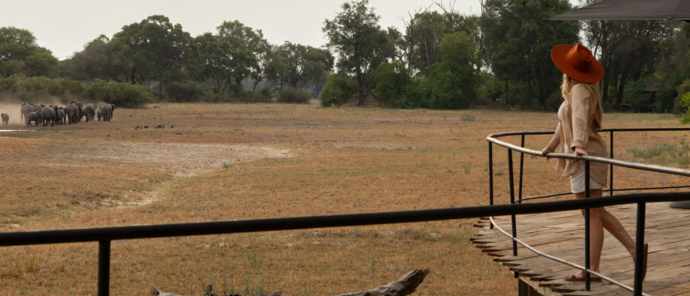
What to wear on safari in Botswana
Whether your trip lasts three days or a week, being as unobtrusive as possible is a good idea when going on a safari. Pick neutral and earth-coloured clothing. Think khakis, olives, browns, and light greys so that you can blend with the scenery. Staying away from dark colours also means you’ll be less noticeable to opportunistic bugs hoping for a nibble.
Bring lightweight layers for cool early-morning drives in winter, quick-drying fabrics for wet-season adventures, and a light jacket for breezy evenings.
Focus on versatile clothing that can be mixed and matched throughout your stay.
If you run out of fresh clothing, Machaba Lodges offer a complimentary laundry service.
Tip for first-time safari travellers: Invest in a good pair of walking shoes, a versatile jacket or fleece, a wide-brimmed sun hat, and lots of sunscreen. You’ll use these items daily, and they’ll come in handy long after you’ve left Botswana.
Gear and Accessories to Bring on Your Botswana Fly-in Safari
Keep in mind that the right gear can enhance every part of your safari.
Your waterproof daypack should include binoculars, your camera or smartphone, a reusable water bottle and a lightweight rain jacket, which is helpful for brief wet-season showers or damp misty mornings.
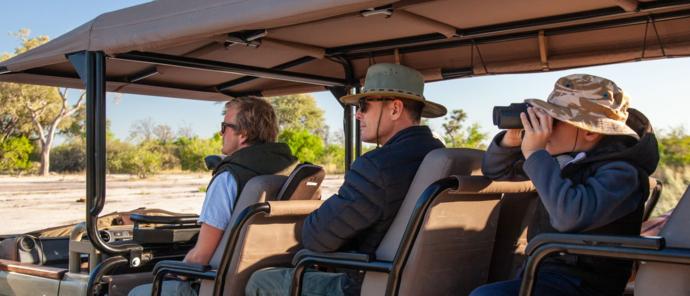
Optional Items for Comfort
Take something smart-casual for lodge dining, and add a beanie, scarf and gloves to your packing list so that your crisp early-morning drives are cosier.
A small torch or headlamp is useful for use around camp after dark.
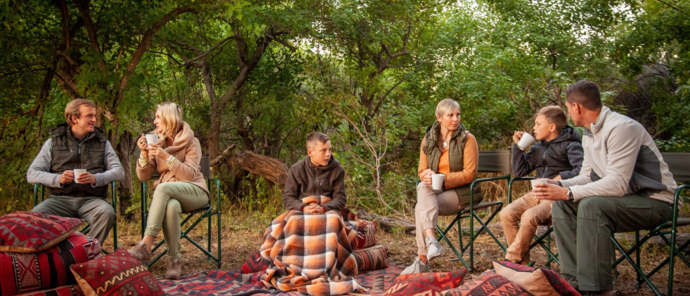
Guest Reviews: Machaba Fly-in Safari Experience in Botswana
A fly-in safari with Machaba leaves a lasting impression on travellers, many of whom describe it as a memorable way to experience Botswana.
Guests often reflect on the ease of travelling between remote camps, the spectacular aerial views, and the sense of arriving directly in the wild.
Read what some of Machaba’s guests had to say about their fly-in experience:
“We visited Machaba Camp in late April for a three-night stay. The arrival from Maun to Machaba’s airstrip was just brilliant.” Jitan
Botswana Fly-in Safari FAQs: Machaba Lodge Guide
Take the guesswork out of planning your luxury safari with this selection of FAQs most travellers ask before heading to Machaba.
Q: What is a fly-in safari?
A: A fly-in safari is a convenient way to reach remote bush lodges. By bypassing the long and bumpy road, your journey is faster and more comfortable. You also have an aerial view of Botswana’s delta, rivers, and wildlife.
Q: What type of plane is used for a fly-in safari?
A: Fly-in safaris use small, light aircraft such as Cessnas or twin-engine planes. Each plane carries only a handful of passengers, making the journey intimate.
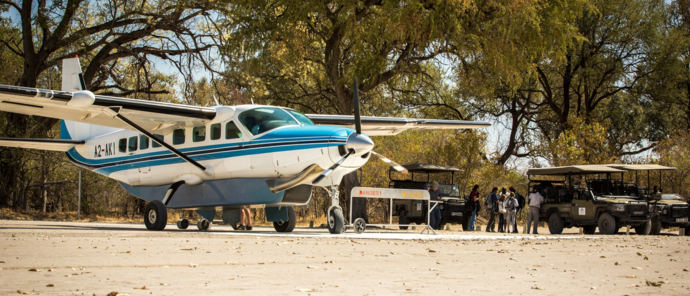
Q: Is a fly-in safari safe?
A: Yes. Fly-in safaris are very safe. The planes used are well-maintained and operated by highly experienced pilots trained to fly in remote, often changing conditions. Weather is carefully monitored before and during each flight to ensure safe travel, and routes are adjusted when needed.
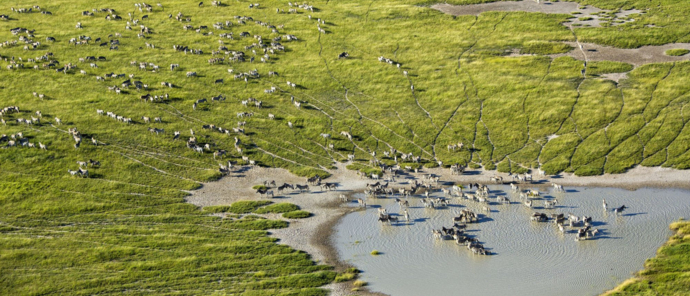
Q: How long is the flight from Maun to Machaba?
A: The flight from Maun to the Khwai River Airstrip, which serves Machaba Camp and Little Machaba, takes approximately 25 to 30 minutes. Trips also operate from hubs such as Kasane or link airstrips within private concessions, depending on the itinerary. After you’ve landed, a game drive transfer to camp takes about 30 minutes.
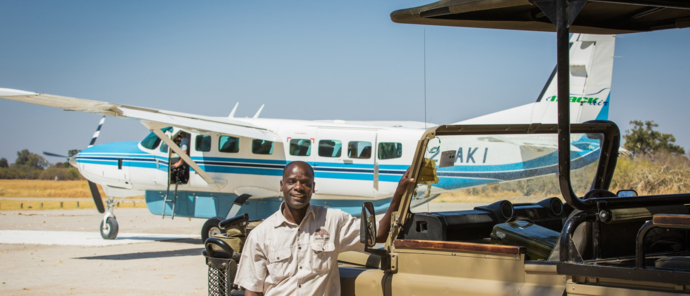
Q: How much luggage can I bring on the plane?
A: Small planes have strict luggage limits. Each guest is allowed up to 20kg in total, including hand luggage. Only soft-sided bags are permitted because they are easier to stow and transfer between planes, camps, and vehicles. Packing light and using soft-sided luggage helps ensure smooth, stress-free travel throughout your journey.
Q: When is the best time to go on a Botswana fly-in safari?
A: All year round, both seasons offer something exceptional. The wet season runs from November to March, bringing dramatic skies, lush green landscapes, and an abundance of birdlife. From May to October, the dry season offers some of the best wildlife viewing, with cooler mornings and sparse vegetation making animals easier to spot. Each season reveals a different side of this kingdom where wildlife still reigns, which is why experiencing both gives a deeper sense of the land in all its moods.
Q: Can I self-drive to Machaba Camp?
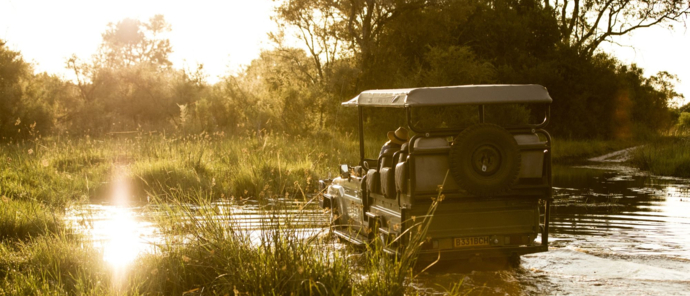
A: While it is possible to self-drive, most guests prefer a fly-in safari. Roads to Machaba Camp can be challenging, even inaccessible, especially in the wet season. A 4x4 is essential, and the journey can be long and tiring. It also helps to have experience driving in rough terrain and handling difficult road conditions.
Final Thoughts on Fly-in Safaris
Fly-in safaris offer a different way to experience Botswana’s wilderness, reducing travel time and opening access to remote, wildlife-rich areas that are difficult to reach by road. This means more time on the ground and a more immersive way to explore some of the continent’s most untouched wildlife destinations.
Ready to discover the ultimate fly-in safari in Botswana with Machaba as your host? Explore Machaba’s rates and specials, and start planning your adventure!