

Okavango Delta Safari: Botswana Wildlife Adventure
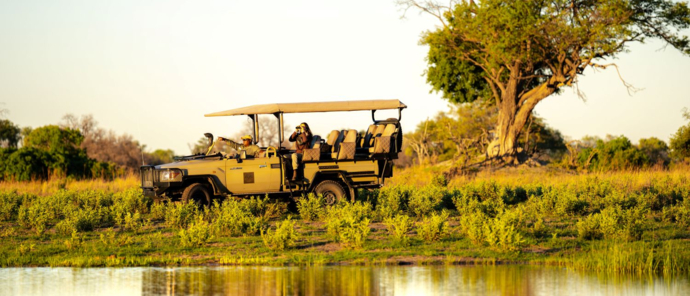
Welcome to the Okavango Delta, a UNESCO World Heritage Site and the largest inland delta on Earth.
Located in northwestern Botswana within the semi-arid Kalahari Basin, the Okavango Delta forms a remarkable oasis in an otherwise dry landscape. This breathtaking safari destination is home to hundreds of animal species, a diverse array of plant life, and world-class luxury safari accommodations.
The Okavango Delta, one of Africa’s most iconic natural wonders, offers countless opportunities to spot magnificent animals, including lions, leopards, elephants, hippos, and over 530 bird species. Set against a unique backdrop, experience incredible safaris while creating memories that capture the very essence of Africa.
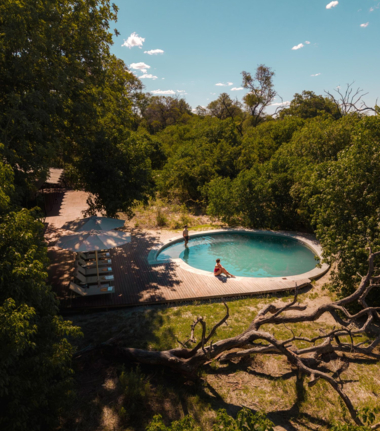
In addition to the extraordinary wildlife spotting opportunities, the Okavango Delta offers several luxury tented camps at Machaba, Gomoti Plains, Kiri, and Monachira. Each camp offers a different angle from which to view the vast floodplains while savouring the high-end comforts of luxury tented accommodation in Botswana. This is where your journey across the delta begins, surrounded by the raw beauty of untamed nature.


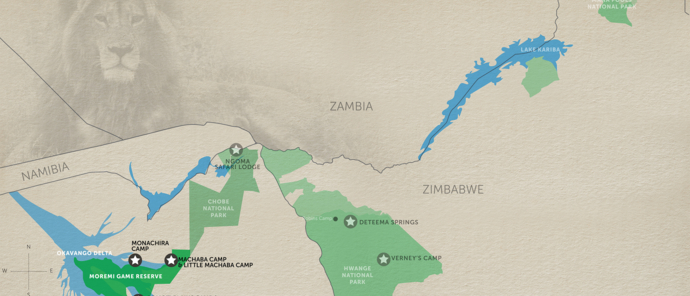
The Location, Map and Size of Okavango Delta National Park
The sprawling Okavango Delta covers several management areas within the Kalahari Basin in northwestern Botswana. It spans a permanent area of 6,000 to 9,000 square kilometres, expanding to an enormous 15,000 to 16,000 square kilometres during the peak flood season.
A vast network of waterways, floodplains, and islands originates in Angola. They then flow into Botswana, gradually spreading across the Moremi Game Reserve, Okavango Delta Management Area, Wildlife Management Areas, and private concessions.
The Okavango Delta’s diverse biomes are home to countless animals perfectly adapted to their environment, ensuring there’s always something extraordinary to experience on a safari in Botswana.
The Essence of Okavango Delta Safaris
No matter the season, safaris in the Okavango Delta offer spectacular year-round wildlife sighting opportunities, aided by our team of passionate and experienced guides.
Famed for its vast size and incredible density of wildlife, the Okavango Delta is the perfect destination for wildlife exploration. Stumble across adrenaline-pumping hunts in progress, witness a predatory bird scoop fish out of the water, and encounter a massive herd of elephants mud bathing, all on exclusive safari tours in Botswana.
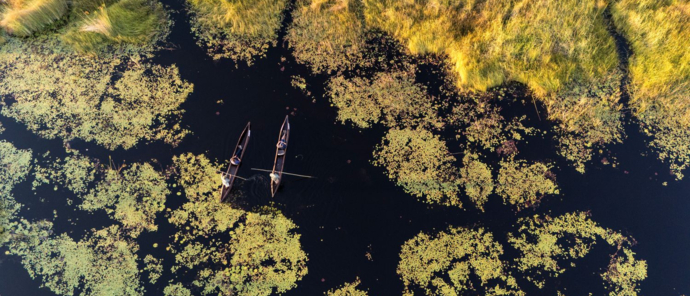
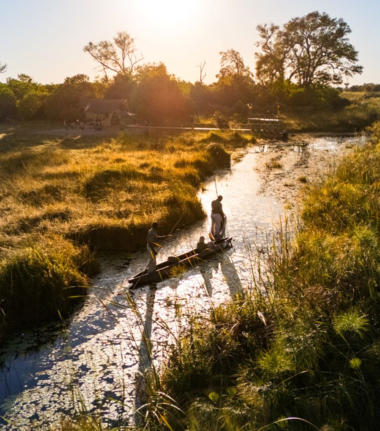
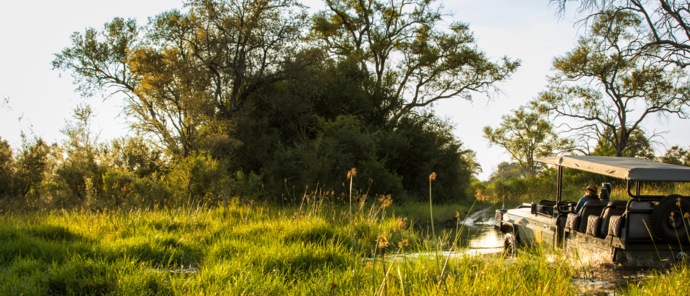
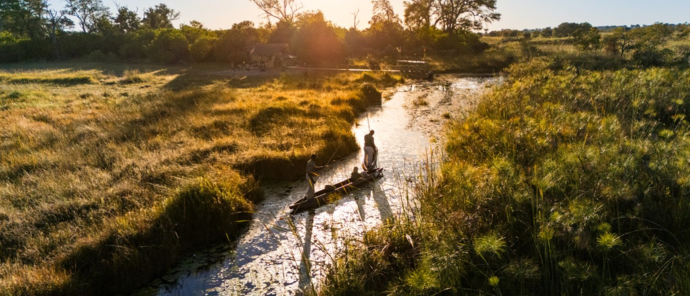
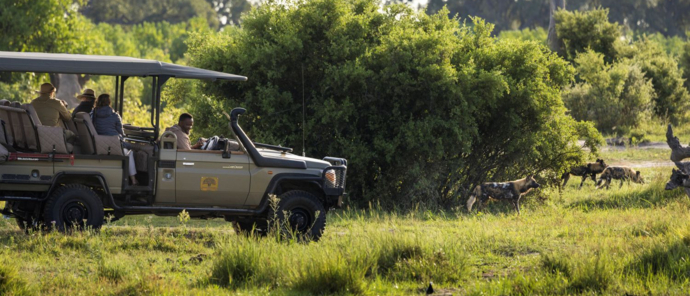
Gently glide down the pristine Okavango River on a guided mokoro canoeing excursion and spot crocodiles, hippos, and hundreds of bird species basking in the water. Alternatively, hop onto an open-top guided 4x4 safari in Botswana and experience seeing the Big Five (lions, leopards, elephants, rhinos and buffalo) up close and personal on vast open plains that stretch as far as the eye can see.
When the safaris and boat cruises have ended, retire to a luxury tented camp before starting the process of exploring nature the next day.
Okavango Delta Safaris: The Seasons
The Okavango Delta has two unmistakable seasons, the wet season and the dry season. Both transform the Okavango Delta significantly, allowing for very different safari experiences in Botswana depending on the time of year.
During the Southern African summer, the Okavango Delta experiences its wet season. Across its 150,000 square miles, lush green vegetation dominates the landscape, creating thriving habitats for wildlife and transforming the delta into a vibrant, water-filled paradise.
The best time for big game viewing is the Southern African winter, also known as the dry season. Almost no rain falls, and with the plains dry and open, animals are easier to spot as they gather around water sources.
How Seasons Affect the Okavango Delta Safari Experience
Each of the Okavango Delta’s seasons offers exquisite safari experiences in Botswana.
In the wet months (November to April), the landscape of the Okavango is at its greenest. Thick, lush vegetation covers the plains, while the rivers and waterways are filled with water, fish, amphibians, and waterborne birdlife.
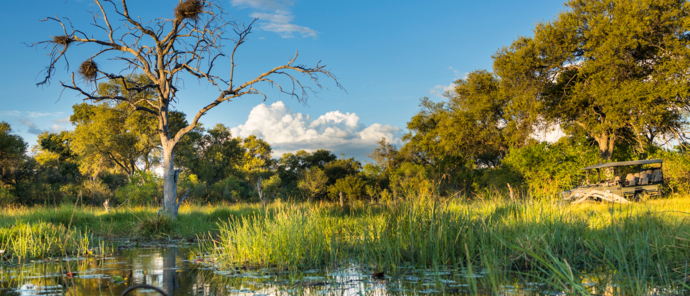
During the dry season (May to October), vegetation away from the fully flooded Okavango waterways turns a yellowish-brown colour. Bushes thin out, plains open up, and animals that once stayed in their preferred habitats now move out in search of food and water.
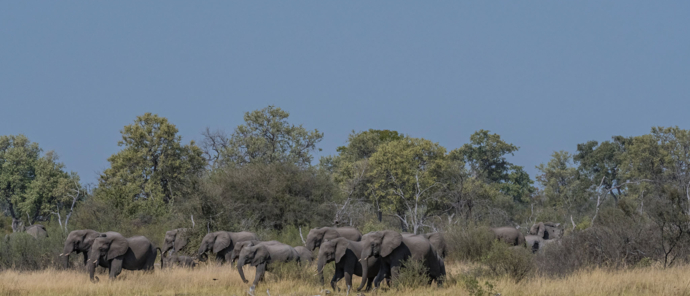
The wet months are ideal for experiencing the beauty of African landscapes and spotting migratory bird species on a mokoro canoe safari in the Okavango. In the dry months, visitors have prime opportunities to see big game, large groups of predators, and the Big Five in the more open plains and around permanent waterholes.
Okavango Delta Safaris: May to October - Dry Season
Between May and October, the Okavango Delta is truly stunning. Regions adjacent to the delta are dry, with very few permanent water sources. This leaves the areas more open and well-suited for spotting animals while on a 4X4 game drive or walking safari.
During the dry months, water retreats to permanent channels and waterholes, concentrating wildlife and making big game, predators, and the Big Five easier to spot across the open plains.
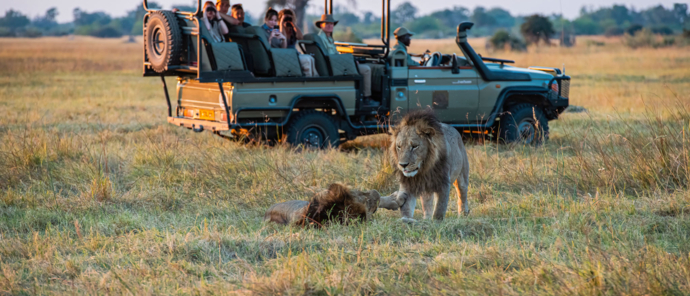
Okavango Delta - Safari Times - Dry Season
The Okavango Delta offers some of the best safari experiences in Botswana during the dry season. Merging the almost unobstructed wildlife viewing of the arid plains with the abundance of water in the Okavango water system, our expert team of guides can reliably predict the movement of wildlife and track them down.
Experience an early morning walking safari when big game, like elephants, are making their way to the nearest waterholes. Glide down the immaculate floodplains on an afternoon boat cruise in the Okavango Delta and witness massive flocks of birds on the banks of the river. Or, immerse your senses in the adrenaline-pumping scene of lions chasing down prey on an evening 4x4 game drive.
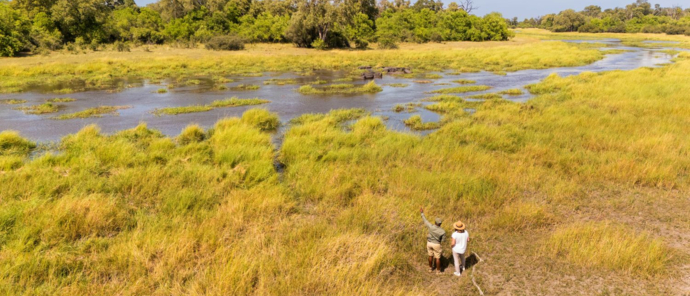
Okavango Delta - Early Morning Safaris - Dry Season
The Okavango’s dry season morning safaris are incredible.
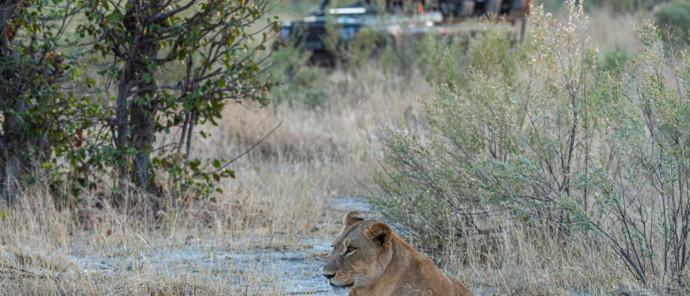
Early morning safaris typically start at dawn (around 05:30 to 06:00) when predators like lions and leopards are still actively hunting in the cool morning air. As you make your way to find these marvellous predators, the Okavango’s waters are covered in a dense mist, creating a magical feeling.
Okavango Delta - Mid-Day Safaris - Dry Season
Afternoon safaris are for slower-paced adventures.
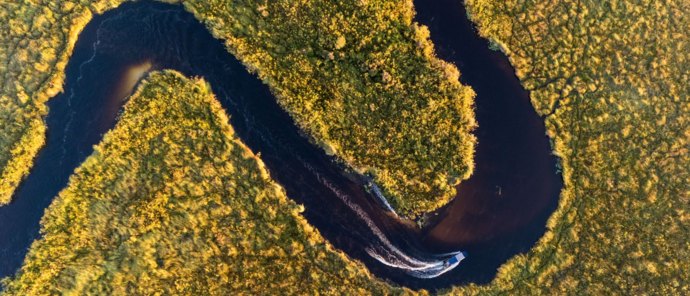
Midday (11:00 to 14:00) is the hottest part of the day, giving us the perfect chance to leisurely glide down the cool Okavango Delta waterways on a boat cruise. Along the riverbanks, massive elephants and numerous antelope are drinking water mere meters from sunbathing crocodiles. In the water, buoyant hippos escape the hot African sun while Botswana slowly goes by from the deck of the boat.
Okavango Delta - Afternoon & Sunset Safaris - Dry Season
From 15:30 to 18:30, temperatures drop, and the previously inactive animals come alive, ready to quench their thirst and feed their hunger.
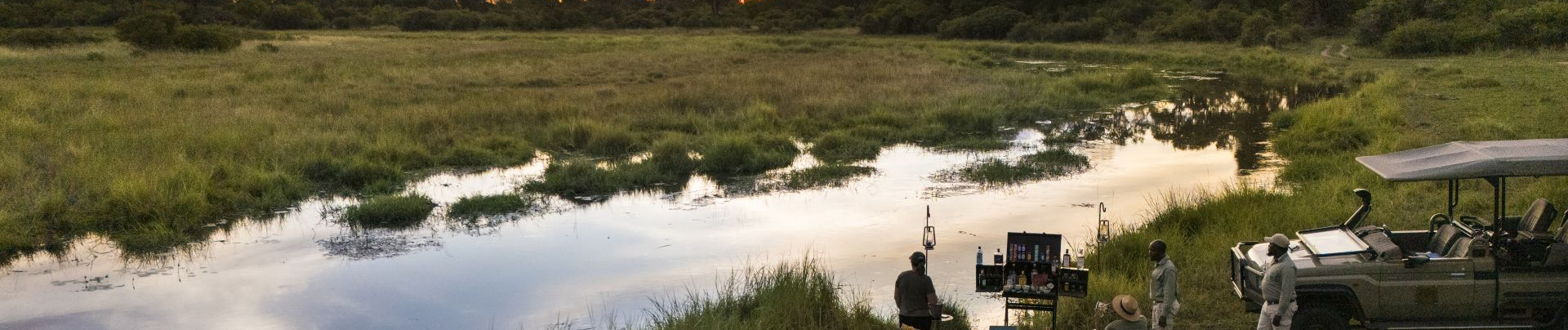
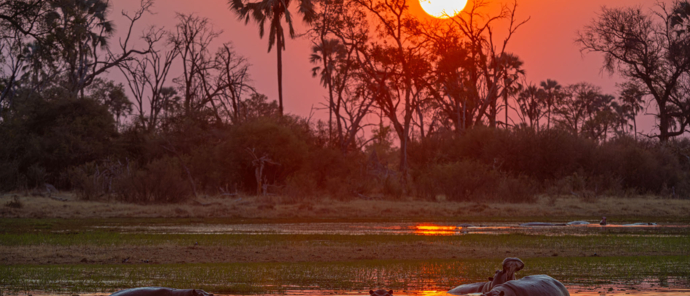
Massive herds of elephants gather at rivers and waterholes, creating a classic African scene. And, as the orange glow of sunset is mirrored across the rippling waters of the Okavango Delta, predators get ready to start their hunts.
A sunset boat cruise or game drive in Botswana between these hours showcases landscapes and wildlife activity straight out of a nature documentary.
Okavango Delta - Night Safaris - Dry Season
Experience the Okavango Delta’s darker side once the sun sets.
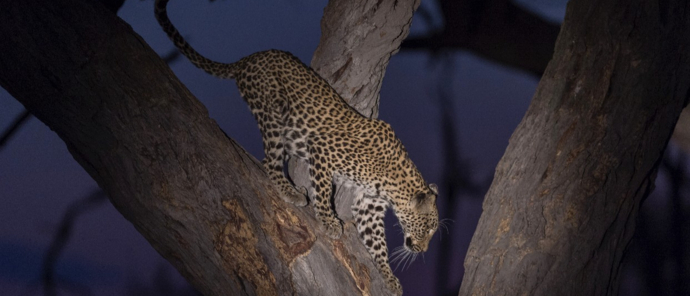
Driving through the Okavango on a night safari (starting at about 18:30 - 19:00) gives an unparalleled look into the lives of the wildlife that roam this incredible destination.
From here on until mid-morning the next day, lions and leopards will prowl for their next meals, small creatures like meerkats will hide from hungry jaws, and nocturnal animals will finally start their ‘day’.
Skilled guides led these night safaris. They know that behind every sound, every glowing pair of eyes is a new sighting and experience waiting to be discovered in the tensest, most action-filled safari.
Okavango Delta: Weather and Climate in Dry Season
The Okavango Delta’s dry season offers ideal weather conditions for unrestricted wildlife viewing and taking in the marvellous scenery.
Mornings are usually cool with temperatures around 10°C (50°F). As the day continues, afternoon temperatures rise to a warm 25-30°C (77-86°F), creating pleasant conditions for 4x4 safaris, mokoro canoeing excursions, and walking safaris. During this time, there is almost no rainfall.
You can look forward to unobstructed views of some of the most recognisable wildlife.
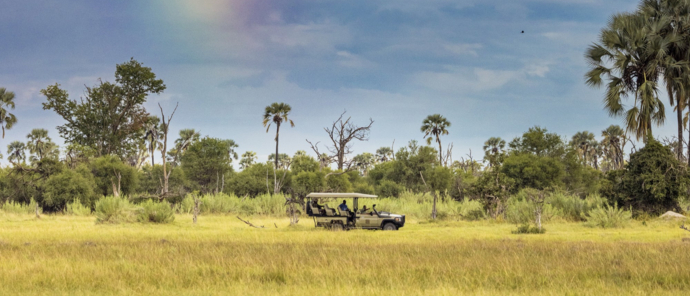
Typical Time Schedules For Okavango Delta Safaris During Dry Season
- Morning (06:00 - 09:30): See predators on the move
- Midday (12:00) - Boat cruises
- Afternoon & Sunset (15:00 - 18:30) Elephants bathing and sunset safaris
- Evening (camp dependent): Spot nocturnal wildlife on night safaris
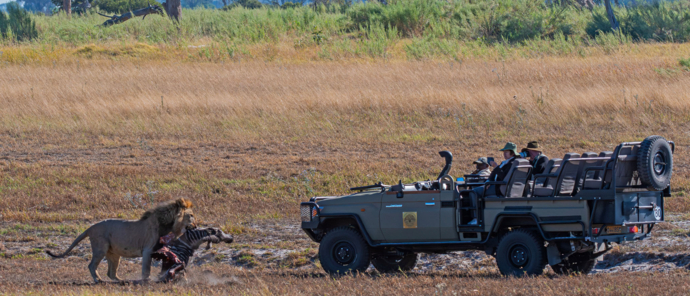
Things to Keep in Mind During the Dry Season in the Okavango Delta
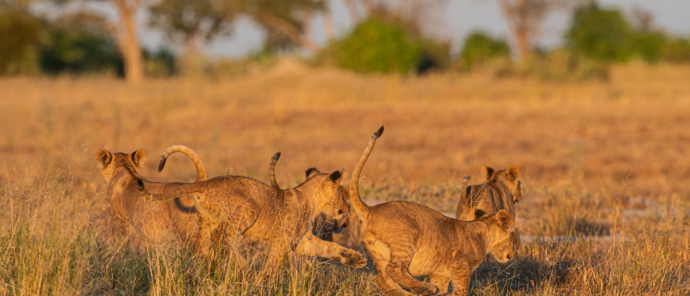
What to Wear on a Dry Season Okavango Delta Safari
For the best experience on safari in the Okavango Delta dry season, wear layered clothing so that you are comfortable in the cool mornings and warm afternoons.
Dress in neutral colours like khaki, beige, and green to blend into the natural colours of the Okavango’s surroundings.
Long-sleeved shirts and trousers are also ideal for dealing with the warm sun and pesky insects. Wear closed, comfortable hiking shoes and don’t forget to bring a wide-brimmed hat, sunglasses, and sunscreen.
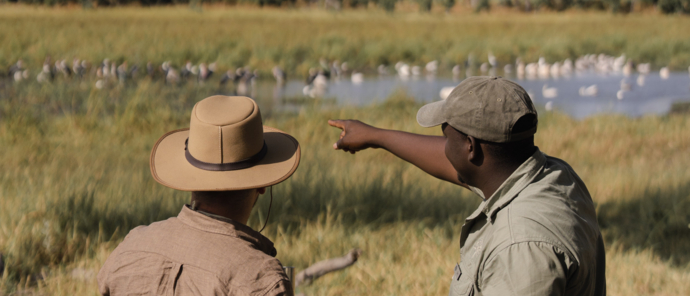
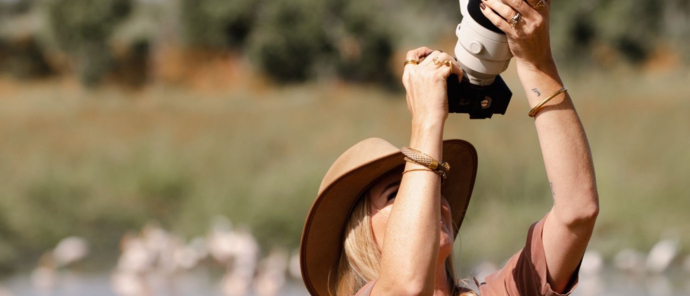
Photography Tips for an Okavango Delta Dry Season Safari
The dry season in the Okavango Delta offers some of the best opportunities for wildlife photography. With its abundance of wildlife and biomes, clear skies, reduced vegetation density and predictable wildlife behaviour, the Okavango’s dry season is ideal for capturing pictures of Africa’s most acclaimed animals.
Here are some tips for capturing the best photos while in the Okavango Delta:
- Let the action come to you: Animals flock to water sources, so stay near a body of water and let wildlife come to you.
- Golden hours: Shoot during the early morning or late afternoon to take advantage of soft, dramatic light.
- Use fast shutter speeds: Stick to around 1/1000th of a second to freeze fast-moving animals.
- Shoot from low angles: Get closer to eye level with your subjects for more intimate, engaging shots.
- Use wide apertures: A wide aperture helps separate subjects from busy, cluttered backgrounds.
Spotting Animals During the Dry Season in the Okavango Delta
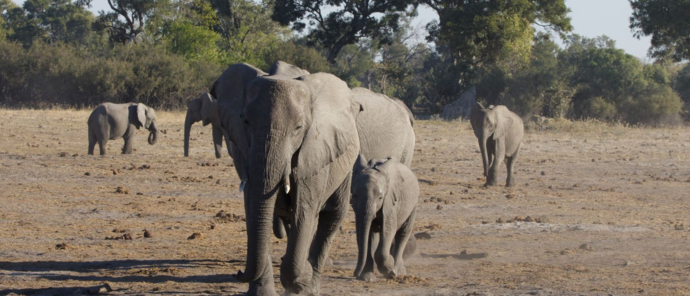
Safaris in the Okavango Delta in the dry season offer some of the most spectacular wildlife-spotting opportunities in Africa. Between May and October, when Southern Africa receives little to no rain and is at its driest, many water sources dry up, and vegetation becomes sparse.
As a result, massive herds of animals such as elephants and buffalo gather around the few remaining watering holes. Fresh on their hooves are predators like lions and leopards that are much easier to see thanks to the decreased vegetation density.
During this same period, calves, cubs, and pups are seen less frequently in the drier areas. The lack of water sources reduces a mothers’ milk production, greatly lowering the survival rates of their offspring.
The Landscape of the Okavango Delta in the Dry Season
The landscape of the Okavango Delta during the dry season presents a striking contrast between lush green floodplains and the surrounding arid Kalahari.
Angola’s floodwaters take between four and six months to reach the Okavango Delta.
By the time the delta is fully flooded from June through August, the region is vibrant and alive. Massive herds of wildlife, such as impala, are drawn to the region and can be spotted drinking while lions wade through the water trying to cross from one island to the next.
The landscape in the surrounding Kalahari Desert becomes covered in golden grasses and bare trees. This allows for incredible visibility when predators finally pounce on their prey and initiate the hunt in the open plains.
Why the Dry Season is Prime for Game Viewing in the Okavango Delta
The dry season in the Okavango Delta gives the perfect combination of lush greenery and incredible safari experiences.
On the one hand, the delta is brimming with life-giving water from the Angolan rainy season months prior. This offers safari goers in the Okavango Delta the opportunity to see hundreds, even thousands, of animals congregating at its many rivers and islands.
On the other hand, in the dry areas where there’s little water, adrenaline-pumping scenes play out in maximum visibility. Not much can hinder you from seeing a cheetah sprint at full speed chasing after an impala at this time of year.
These are the reasons why a safari in the Okavango Delta in the dry season offers some of the best game viewing experiences and breathtaking views from a UNESCO World Heritage Site.
Health and Safety Tips for a Dry Season Safari in the Okavango Delta
Health and safety tips for going on safari in the Okavango Delta are quite simple.
Guests should always stay hydrated and carry plenty of water with them. Apply sunscreen and wear a wide-brimmed hat for protection against the harsh African sun. Although there are fewer insects during the dry season, it is always a good idea to have insect repellents, especially when staying near water sources.
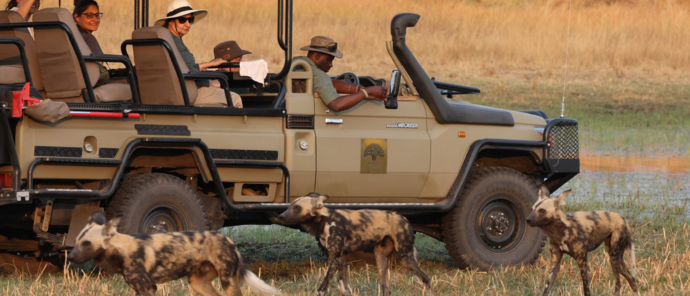
On safari in the Okavango Delta, following your guide's instructions is critical. Ensure you stay a safe distance from the animals, remain as quiet as possible while on safari, and never leave the 4X4 game vehicle or designated path without permission.
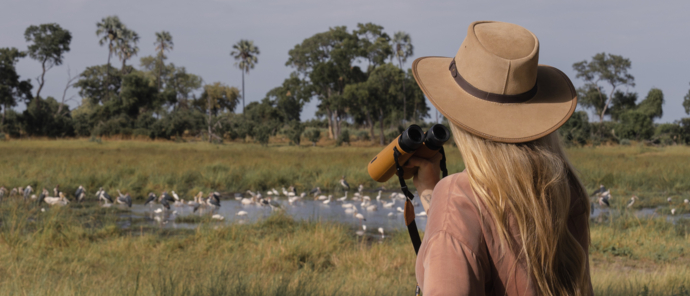
Animals You Can Expect to See at the Okavango Delta in the Dry Season
The dry season in the Okavango Delta is between May and October.
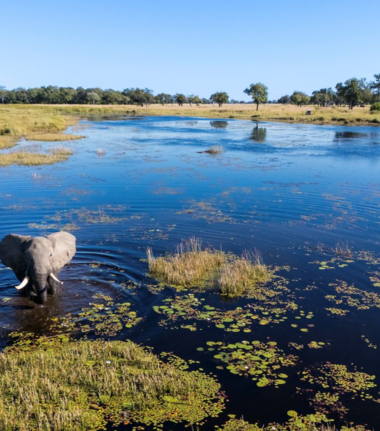
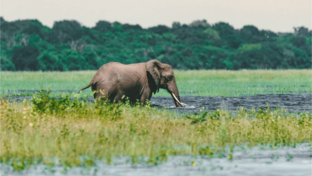
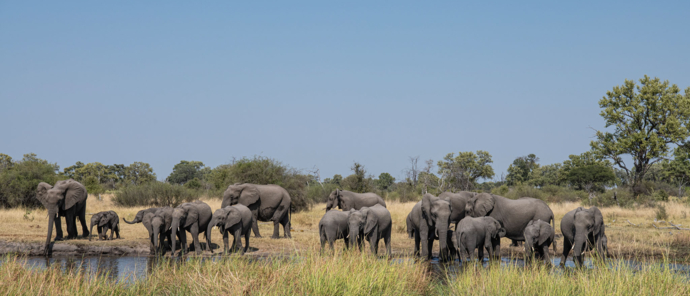
During this window, the floodwaters fill the Kalahari Basin. This abundance of water attracts massive herds of herbivores. Elephants and buffalo can be spotted in their hundreds, and even in their thousands. They can be seen drinking, bathing, and even playing in the cool waters during the midday hours.
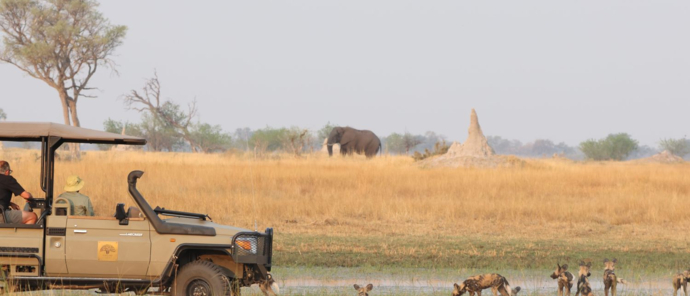
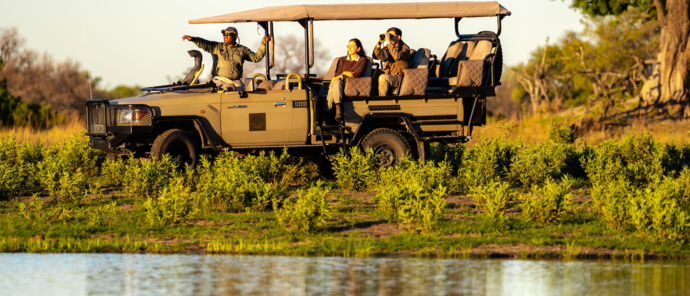
Many smaller species, like antelopes, are also drawn to the delta. They are a mainstay of many predators' diets, so not far behind them will be hunters like lions, leopards and wild dogs looking to pick them off one by one.
When the heat is particularly unbearable for the wildlife in Botswana, predator and prey alike may suspend their usual relationship and drink from the same water source. This all happens at distances where a hunt would normally take place, so it’s quite special to see. Crocodiles have been spotted basking in the sun mere meters away from zebras drinking water, with no hint of aggression.
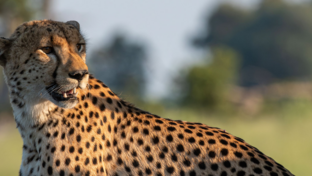
Outside of the reach of the Okavango Delta’s waters, the landscape is dry. Vegetation is sparse, the plains are open, and visibility is high. Here is your best chance to cross paths with the elusive and speedy cheetah. The notoriously fast big cats thrive in open spaces with few obstacles to get in the way of snagging their next meal.
These areas offer incredible opportunities to experience an exceptional African safari in Botswana.


Okavango Delta Safaris: October to April - Wet Season
The wet season in the Okavango Delta is a time of renewal and rebirth.
From November until April, the arid regions of the Okavango and Kalahari transform into a land of vast, lush greenery as far as the eye can see once the rains reinvigorate the parched landscape.
Going on a wildlife safari at this time of the year can offer incredible wildlife sightings against the backdrop of nature at its most beautiful.
The wet season is also the time when many antelope species give birth. This fertile season provides an abundance of water sources throughout the Kalahari, more vegetation to feed on, and increased cover from predators looking to pick off their young.
A glowing landscape and replenished water sources also make the wet season in the Okavango ideal for birdwatching safaris in Botswana. This season coincides with the arrival of migratory birds from Europe, and seeing these amazing birds on a safari experience in Botswana is something truly wonderful that we would highly recommend.
The wet season can be noticeably cooler than the dry season at times. Lodges like Machaba Camp provide amenities that include cosy blankets and warm beverages to make those misty mornings even more comfortable.
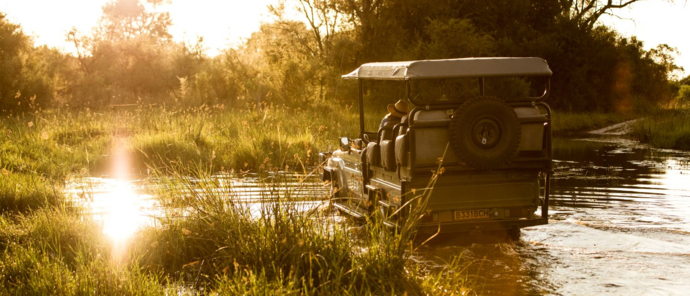
Okavango Delta - Safari Times - Wet Season
The sumptuous Okavango Delta landscape during the wet season offers a wide array of excellent safari experiences designed to showcase the wonders of Botswana between November and April. Explorers looking to experience breathtaking African safaris can traverse the land on exciting 4x4 game drives, adrenaline-pumping walking safaris, and thrilling night safaris.
With water spread across Botswana, many animals give birth in the lush, rain-nourished bush. Wildlife is less predictable during this time, making moments of predation, like an impala fleeing a lion, particularly rewarding to witness. Spotting antelope calves, lion cubs, and other young animals becomes more common.
Birdwatching also becomes one of the most immersive experiences at this time of year when rare bird species like the European roller, yellow-billed kite and woodland kingfisher can be spotted on 4x4 and walking safaris.
Due to the months it takes for Angola’s rainwater to reach the Okavango Delta, the wet season in Botswana is actually when floodwaters are at their lowest. On the other hand, when the region is supposed to be at its driest, the floodwaters from Angola have finally reached and filled the Kalahari basin, maintaining the lush vegetation in the delta.
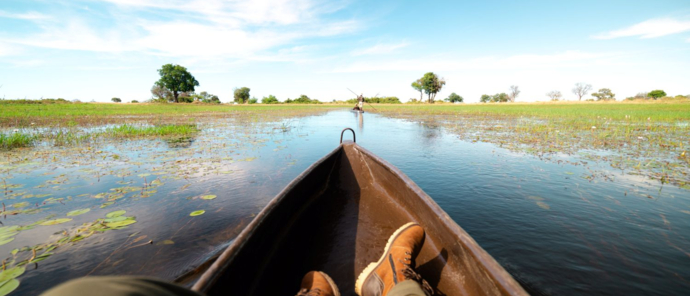
Okavango Delta - Early Morning Safaris - Wet Season
An early-morning safari in the Okavango Delta during the wet season starts at dawn between 05:30 and 06:00.
The weather is often cool and misty, perfect conditions for a game drive in the Okavango and for spotting predators like lions, which are most active during the cooler hours of the day.
As a result of the wet season in Botswana, the vegetation in the Okavango Delta is incredibly vibrant and green. In every direction, there is beautifully dense plant life that is home to over 530 different bird species as well as newborn impalas, lion cubs, hyena pups, and so many more.
The density of the vegetation will make it harder to view wildlife at a glance, but an expert guide who knows exactly what to look for will point out countless animals in one of the most vibrant safari destinations in the world.
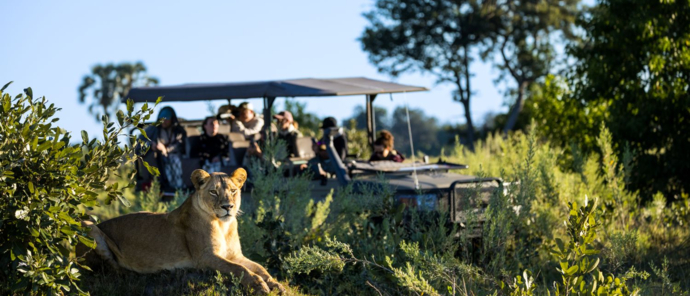
Okavango Delta - Mid-Day Safaris - Wet Season
Mid-day safaris in the Okavango Delta during the wet season are the pinnacle of the African safari experience. Lush vistas filled with incredible indigenous wildlife and migratory bird species are what you can expect to see on 4x4 safaris in the Okavango.
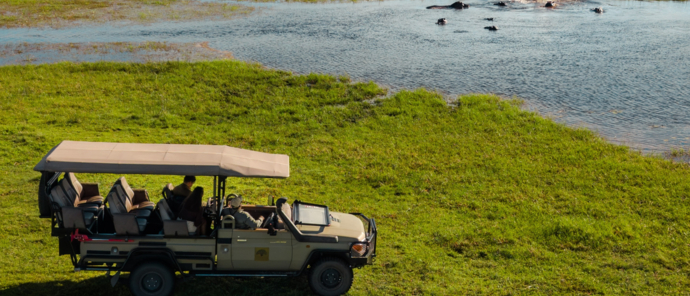
Typically, a mid-day safari starts from 11:00 to 14:00. Around this time, the day’s heat reaches its peak, making the mid-day perfect for slower-paced African safaris like boat cruises down the Okavango River that still has enough water to carry you across the vast, verdant and revitalised landscape. During safaris at these relaxed hours of the day, you can encounter hippos gliding across the water, elephants bathing and wild dogs looking for a way to cross to distant islands.
Just bear in mind that wildlife is much more dispersed during the wet season, so the sightings you see are that much more incredible.
Okavango Delta - Afternoon & Sunset Safaris - Wet Season
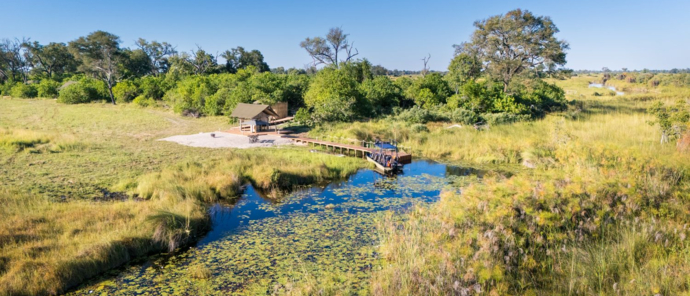
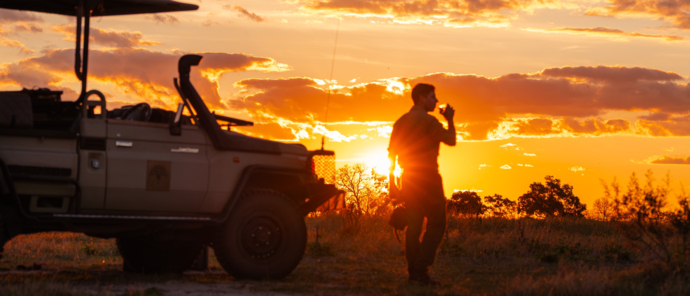
The atmosphere shifts from relaxed to magical during afternoon and sunset safaris in the Okavango Delta during the wet season. Vibrant landscapes and amazing Botswanan wildlife are accentuated by the golden rays of a setting sun, paired with activities like sundowners provided by luxury tented camps, including Kiri and Monachira camps.
Afternoon and Sunset safaris usually start from 15:30 to 18:30 when the day’s heat starts to subside. In those hours, hunters of the plains, including hyenas, leopards and lions, start hunting in earnest. This is also when antelopes such as impala and zebra can be seen feeding in the open with their young.
Known as the golden hour, nature's various shades of green come to life, making this afternoon and sunset safari a photographer's dream. The fresh scenery, untamed wildlife and soft lighting beg to be captured on an afternoon and sunset drive in the Okavango Delta.
Okavango Delta - Night Safaris - Wet Season
A night safari in the Okavango Delta is one of the most exhilarating safari experiences in Botswana.
A world already untamed and teeming with wildlife is at its most active. During night safaris, guides who are trained to track countless species of animals use spotlights to search for the nocturnal animals that are most active when the sun is down.
Lions can be heard calling and roaring across massive distances, leopards are prowling the plains looking for their next meal, and African wild dogs are coordinating themselves to hunt young and sickly antelope.
You can witness this and so much more on a night safari in the Okavango Delta during the wet season.
Okavango Delta: Weather and Climate in Wet Season
The wet season in the Okavango Delta is between November and April. It’s a time that transforms the landscape into a collage of different green hues.
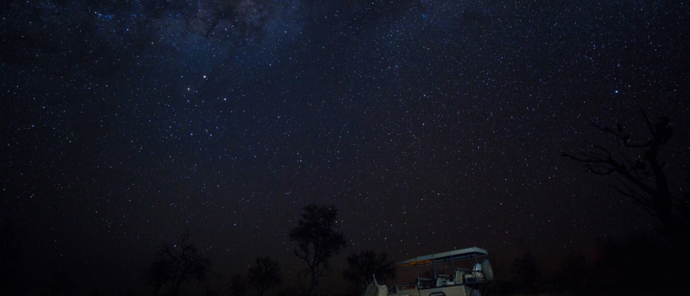
Mornings are often clear and beautiful with warm temperatures ranging between 18-22°C (64-72°F). After the morning passes into mid-day, the heat and humidity pick up quickly and reach 28-35°C (82-95°F) and respectively. Afternoons are also when thunderstorms usually occur. They can be heavy, but usually don’t last all day. Night times cool back down to the 18-22°C (64-72°F) range, and the skies clear up once again for some spectacular stargazing opportunities accompanied by the fresh post-rain smell.
Typical Time Schedules For Okavango Delta Safaris During Wet Season
- Morning (05:30 - 09:00): Early starts beat the heat and rain
- Afternoon (16:00 - 19:00): Post-rain drives reveal refreshed wildlife
- Evenings (camp dependent): Nocturnal animals get their chance to indulge in the lush vegetation
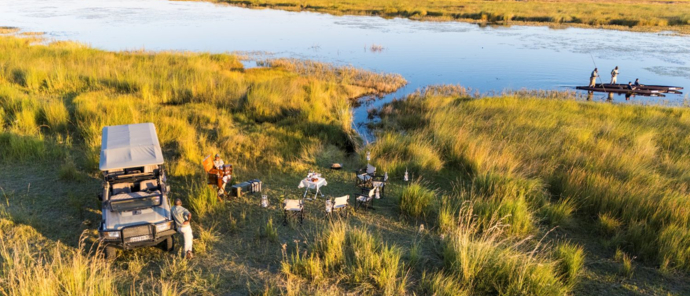
Things to keep in mind during the Wet Season in the Okavango Delta
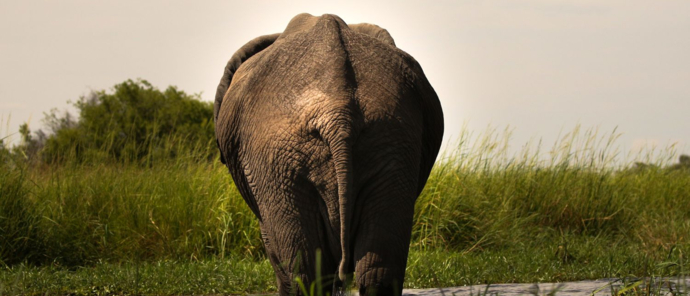
What to Wear During the Wet Season when on Safari in the Okavango Delta
During the wet season, the weather in the Okavango Delta is hot and humid. Broken up by short afternoon thunderstorms that mostly clear up by nighttime. For a comfortable safari experience in the Okavango, wear light and breathable clothing that can dry quickly in the event you get a little wet. Choose natural tones like khaki and olive green that blend in with the landscape, which also keep you cool.
A lightweight water-resistant jacket is important for afternoon safari experiences when brief but sudden rain appears. The ground is wet and muddy at this time of year, so waterproof hiking shoes are necessary for walking safaris in the Okavango Delta.
With increased water in Botswana, the presence of mosquitoes and other insects drastically increases. Make sure to wear long-sleeved shirts and long pants whenever possible. Finally, it may be the wet season, but it is always a good idea to protect yourself from the African sun with a wide-brimmed hat and sunglasses.
With these few items, you can make your safari experience in the Okavango Delta during the wet season that much more incredible.
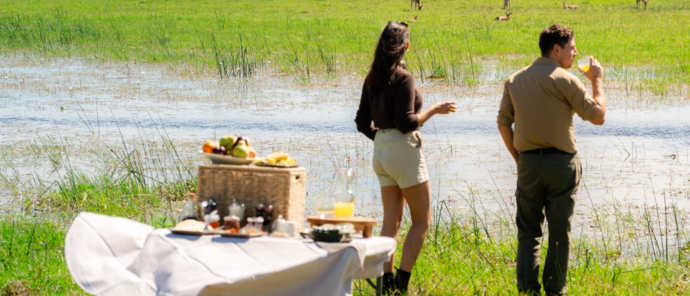
Photography Tips for an Okavango Delta Wet Season Safari
Photography in the Okavango Delta during the wet season offers challenges for even the most seasoned photographer. With preparation and care, you could leave your African adventure in Botswana with amazing photos.
Between November and April, the Okavango Delta and surrounding Kalahari Desert transform into a haven of lush green vegetation. Scores of animals can be found roaming the untamed wilderness. The skies, once clear and blue, are now frequently banketed in breathtaking cumulonimbus clouds.
Wildlife, vibrant plant life, and dramatic skies create the perfect African landscape to photograph during your exploration of the continent. However, wet and humid conditions can damage equipment, so rain covers and dry bags with silica gel are essential for protection.
Even though the animals in the Okavango Delta are spread out, you can still find antelope scattered around the grasslands, elephants in woodland areas, and even more elusive creatures like cheetahs away from the delta in the surrounding Kalahari. All you need to do is find them, point your camera, and click that shutter button.
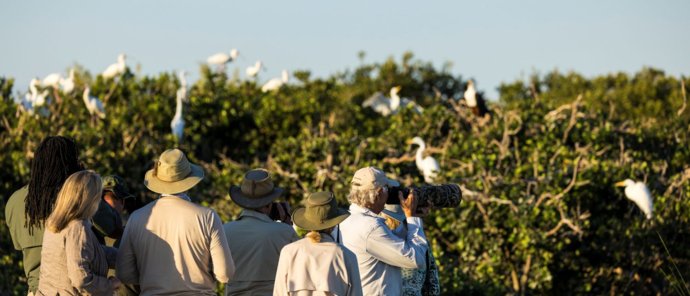
Spotting Animals in the Wet Season
Spotting massive herds of animals in the Okavango Delta during the Wet season does become a little trickier. Vegetation throughout the Okavango and the Kalahari becomes more lush and fuller, making it more difficult to spot animals. The wildlife itself also spreads out due to the abundance of water sources and food across all of the Okavango Delta's management areas.
The wet season is also the main birthing period in the Okavango Delta. Seeing young antelope, big cat cubs and other species’ offspring becomes more frequent. Not far behind them are predators of all species, looking to score an easy meal by snatching a young one from their family.
Although the landscape is more dense, you can generally expect to see antelope, zebra and wildebeest in grasslands, while elephants frequent woodland areas during the wet season in Botswana. Predators move wherever the prey is, so where you see a herd of herbivores, there should be a big cat, hyena or African wild dog hot on their heels.
The Landscape of the Okavango Delta in the Wet Season
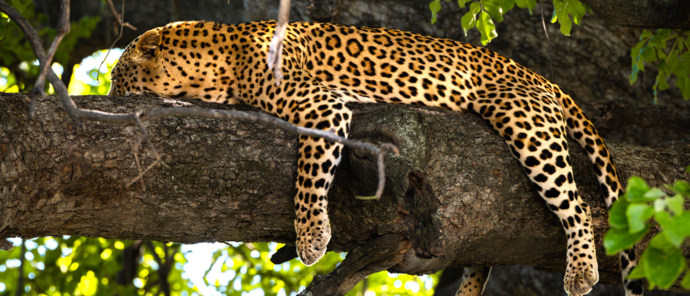
Landscapes in the Okavango Delta become the stuff of beauty during the wet season. Vast green grasslands rhythmically sway in the wind as herds of antelope and buffalo graze with their young. Watering holes can be found almost everywhere, thanks to the frequent rains that attract migratory species such as the Amur falcon and great snipe.
Things to Keep in Mind During Early Morning Safaris in the Wet Season in the Okavango Delta
The Okavango Delta wet season is a beautiful time to explore the area, especially in the morning. Here are some things to keep in mind when on an early morning safari in the Okavango:
- The mornings start cool, but as the day progresses, it can get hot and humid
- Wear layers of light, quick-drying clothing that you can take off when the weather starts to shift
- Keep a pair of sunglasses and a wide-brimmed hat with you at all times
Health and Safety Tips for a Wet Season Safari in the Okavango Delta
Your health and safety are of the utmost importance when you are on safari in the Okavango Delta during the wet season.
Staying hydrated is critical in the hot and humid weather, as well as protecting yourself from the sun with sunglasses and a wide-brimmed hat. Wear long-sleeved shirts and long pants. Bring insect repellent for the increased mosquito presence during Okavango’s wet months.
While on safari, always maintain a respectful distance from the wildlife when viewing them and follow your guide's instructions while staying as quiet as possible. If you follow these easy tips, your experience in the Okavango Delta will be fantastic.
Animals You Can Expect to See on Safari in the Okavango Delta in the Wet Season
A safari in the Okavango Delta during the wet season is one of the most vibrant, lush and picturesque safari experiences you’ll ever have in Botswana.
The frequent rains have transformed the arid Kalahari plains into a fertile landscape with hues of green everywhere you look. Despite this, Angola’s rainwaters are still months away from the Okavango, making this period a time when the delta’s water levels are at their lowest. Nevertheless, countless animals still flock to its life-giving waters, and the rain leaves in numerous new water sources found in the region.
Wildlife not found in the delta is spread across the Okavango Delta’s management area. Antelopes and their newborns roam the grasslands, and elephants are either in the woodlands or drawn to water. Predators like lions, leopards and hyenas are in hot pursuit of fresh, young meat wherever they can find it.
Bird watching safaris in the Okavango Delta are also a highlight of the wet season. Migratory birds such as the Wahlberg's eagle, red-footed falcon, and European roller make their way from the north to feed on the abundance of insect life that the wet season brings. Marvel at these incredible birds on a 4x4 game drive in the Okavango Delta or a walking safari with a highly skilled guide.
Due to the dense vegetation, spotting wildlife that hides its presence could be a little tricky. However, with a little patience, you will be rewarded with the visage of skulking leopards, coordinated African wild dogs and opportunistic hyenas in some of Africa’s most beautiful landscapes.


Okavango Delta Safari - Tips for Planning Your Adventure
Make sure your time in the Okavango Delta, a UNESCO World Heritage Site, is an unforgettable experience.
Here are three quick tips:
- Best Time to Visit: The dry season is ideal for visiting the Okavango, offering exceptional game viewing and predator activity in the Kalahari, along with striking scenery in the fully flooded delta.
- What to Pack: Neutral-coloured long-sleeved shirts and trousers, insect repellent, sunscreen, a lightweight raincoat for sudden downpours, and binoculars for birding safaris.
- Booking Your Safari: It is advisable to book well in advance. Machaba Camp in the Okavango Delta remains one of the most popular accommodation options in Botswana.
Plan your stay based on the season, the wildlife you want to see, and the type of safari experience you prefer for the ultimate Okavango adventure.
Conclusion: The Okavango Delta is the Ultimate Safari in Botswana
Experiencing the Okavango Delta is becoming one with Mother Nature in one of her most unique and untamed safari destinations.
Herds of thousands of buffalo trek across pristine grasslands while predators lie in wait for unsuspecting prey to ambush. The backdrop of vibrant greenery, clear blue skies and the sounds of a world untouched by man set the scene for a remarkable adventure.
At our Machaba Camp, you can enjoy all of these natural wonders, plus exquisite luxury tented camps and unmatched safari experiences.
Inspired by the authentic spirit of Africa, Machaba is a luxury tented camp on the fringes of the Moremi Game Reserve along the Khwai River. This traditional-style camp offers top-class tented accommodation options and safari experiences that range from adrenaline-pumping 4X4 safaris to mokoro canoeing excursions on several of the Okavango Delta’s waterways.
An Okavango Delta Safari is where luxury meets the wild heart of Botswana. From elephant-packed riverbanks to predator-rich plains, it’s an unrivalled adventure. Book your Okavango Delta Safari today and step into a world where nature reigns supreme, framed by the elegance of Botswana’s finest lodges.
This is the ultimate Okavango Delta Safari - come and live it!