

Monachira Camp Wildlife Stories February 2026
Weather Report
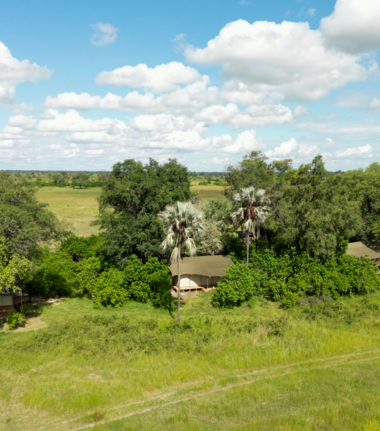
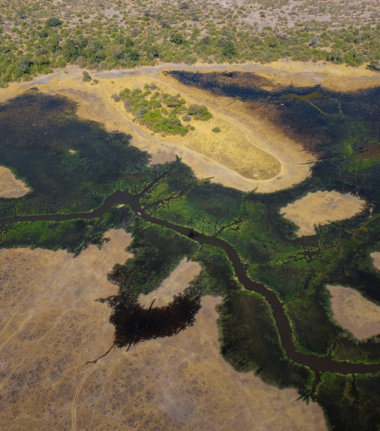
We had some heavy rain at Monachira Camp and across the Okavango Delta in February. Some commented that it was "raining cats and dogs", but we didn’t mind at all. The plains have been thriving, leaving Botswana blanketed in vibrant green hues while filling the bellies of herbivores and omnivores across the country.
Family Moment
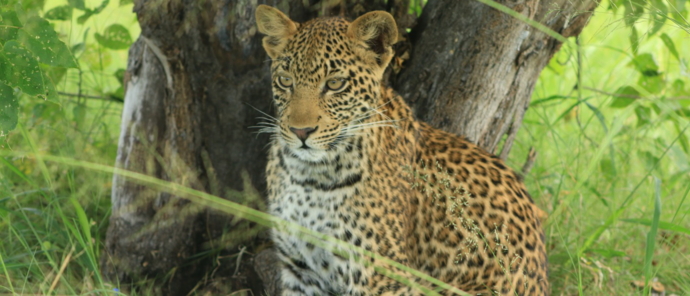
Early on in the month, we spotted a leopardess and her adorable cub playing and mock-fighting. This playtime is crucial in the cubs' development. Coordination, muscle strength, and the hunting skills needed to feed itself are all developed in these brief and adorable moments between mother and child.
For many of our guests, it was the first time seeing such a sight, and by the looks of it, they will never forget it.
Crocodile Companion
We were lucky enough to see a massive crocodile basking in the sun with its mouth open by the Monachira Channel. It was about five to six meters long and took the first opportunity to lie in the sunlight after three days of continuous rainfall.
Crocodiles lie in the sun as a means to regulate their temperature. They release stored heat through their mouths to cool their heads and brains while their body temperature increases.
Failed Heist
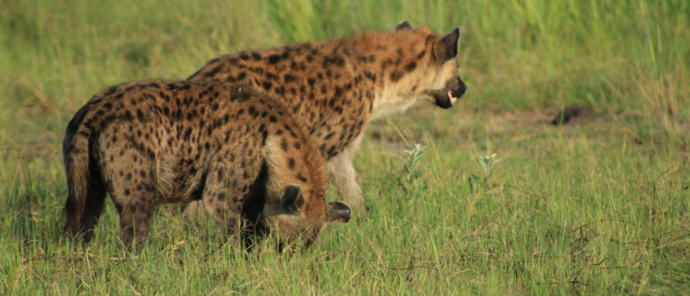
Hyenas are some of the most opportunistic predators on the African continent. If they see something that they can eat without having to expend a lot of energy, they will take it. This becomes even more likely when a pack of hyenas comes across another predator’s fresh kill. If they outnumber or are bigger than the other predator, they will try everything they can to score an easy meal.
We almost saw this play out when we spotted a pack of hyenas trying to steal a kill from a leopard. Luckily for the lone big cat, it managed to drag its kill away before it was overwhelmed by their size and numbers.
Honey Badgered
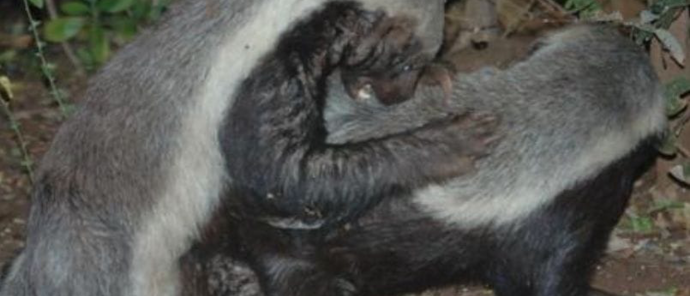
Honey badgers are not exactly the most faithful romantic partners in Africa. Their year-round mating system typically involves going from one partner to the next. When mating actually happens, as we were ecstatic to come across, the pair sequester themselves in burrows for 32 – 70 hours. It's an intense mating process in which the male often bites the female to prevent her from leaving the burrow. To put the cherry on top, the male is not even involved in raising its young.
February at Monachira was yet another amazing month for wildlife viewing. Come back soon for more Wildlife Stories from Botswana.
Until next time,
Gideon
Monachira Camp